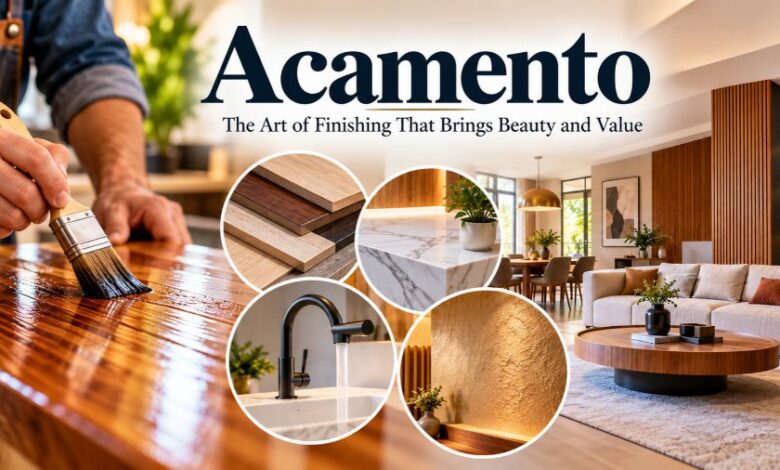
Acamento is an interesting term that has attracted attention in discussions about design, craftsmanship, finishing techniques, and modern online content. Although it is not a widely standardized English word, it is often associated with the Portuguese word “acabamento,” which refers to finishing, completion, or the final treatment given to a surface or product. Understanding Acamento requires looking beyond its spelling and exploring the broader idea of finishing work, where appearance, durability, and attention to detail come together. Whether someone encounters the term while researching home improvement, furniture, construction, or interior design, it can provide an opportunity to learn about the importance of completing a project properly. From polished wooden furniture to carefully finished walls, the final stage of a project often determines how professional and durable the result appears. This guide explores the possible meaning of Acamento, its linguistic background, practical applications, benefits, and relevance in contemporary design.
Understanding the Meaning of Acamento
The meaning of Acamento depends on the context in which the word appears. In many online discussions, it is associated with the broader concept of finishing, which involves improving the final appearance and condition of a material, object, or space. In Portuguese, the established word “acabamento” is commonly used to describe finishes applied to furniture, buildings, clothing, and other products. Acamento may therefore be interpreted as a variation or alternative spelling encountered in particular online contexts, rather than a universally recognized technical term. This distinction is important because language can change across regions, industries, and digital communities. Readers should consider the surrounding information before assuming that every use of Acamento has the same meaning. In practical terms, the concept most frequently associated with it is the process of transforming an unfinished surface into something more attractive, functional, and ready for use.
The Origins and Linguistic Background of Acamento
Exploring the linguistic background of Acamento helps explain why the term can be confusing. The Portuguese word acabamento is related to the idea of finishing or bringing something to completion. It is widely relevant in construction, manufacturing, woodworking, and interior decoration, where the quality of the final treatment affects both appearance and performance. Acamento resembles this word, but its exact origin and intended meaning cannot be established from spelling alone. It could appear as a misspelling, a shortened expression, a brand name, or a term used by a particular website or online community. For this reason, it is better to distinguish documented language meanings from interpretations based on similarity. Understanding this distinction helps readers avoid misinformation while still exploring the practical ideas connected with the term. When researching unfamiliar expressions, examining their context is often more useful than relying on a single explanation.
Acamento and Modern Interior Design
Interior design provides one of the clearest ways to understand the finishing concept associated with Acamento. A room can contain beautiful furniture, attractive lighting, and carefully selected colors, yet still look incomplete if its surfaces and details are poorly finished. Wall textures, floor transitions, cabinet edges, door frames, and decorative fittings all contribute to the overall appearance of a space. Designers consider these elements when creating interiors that feel consistent and comfortable. A smooth wall finish may support a minimalist design, while textured plaster can add warmth and visual character. Natural wood finishes can create a welcoming atmosphere, whereas metal and glass surfaces may produce a more contemporary impression. The goal is not simply to make everything look expensive; it is to ensure that materials, colors, textures, and practical requirements work together. Attention to finishing details can make even a modest room feel thoughtfully designed.
The Role of Finishing in Construction
In construction, finishing work generally takes place after essential structural and installation tasks have been completed. It may include plastering, painting, tiling, flooring, sealing, installing fixtures, and refining visible joints or edges. These tasks influence how a building looks and how comfortably people can use it. For example, correctly installed tiles with neat grout lines can improve the appearance of a bathroom while making routine cleaning easier. Properly finished walls provide a suitable surface for paint or wallpaper, and well-sealed joints can help protect vulnerable areas from moisture. However, finishing cannot compensate for serious structural defects, poor waterproofing, or incorrect installation beneath the visible surface. Successful construction requires quality at every stage, from planning and structural work to the final inspection. The finishing concept associated with Acamento is therefore best understood as one important part of a complete building process.
Acamento in Furniture and Woodworking
Furniture manufacturing demonstrates how finishing techniques can change the character of a product. Raw wood may contain rough edges, uneven surfaces, small imperfections, and natural variations in color. Sanding prepares the material, while stains, oils, paints, and protective coatings can enhance its appearance and help protect it against everyday use. A matte finish creates a subtle appearance, whereas a gloss finish reflects more light and can make colors appear deeper. The right treatment depends on the type of wood, the furniture’s intended use, and the desired maintenance requirements. Dining tables, kitchen cabinets, and frequently handled furniture may need finishes that tolerate regular cleaning and wear. Decorative pieces may prioritize appearance over heavy-duty protection. Good craftsmanship also involves preparing the surface properly and allowing coatings to cure according to their instructions. These details often distinguish a durable, professional-looking product from one that deteriorates quickly.
Common Materials and Finishing Techniques
Different materials require different finishing methods, and choosing the appropriate technique is essential for achieving a reliable result. Wood may be sanded, stained, oiled, painted, or coated with a suitable protective product. Concrete can be polished, sealed, or treated to create a particular texture. Metal surfaces may require cleaning, priming, painting, or specialized coatings to reduce corrosion. Ceramic tiles and natural stone can provide distinctive finishes, but their maintenance needs vary according to the material and treatment. Walls may be finished with paint, decorative plaster, wallpaper, or textured coatings. Each option has advantages and limitations involving cost, appearance, durability, cleaning, and installation time. Environmental conditions also matter: moisture, sunlight, temperature changes, and frequent contact can affect performance. Before selecting a finish, homeowners and professionals should consider the material’s properties and the demands of the intended environment rather than choosing solely on visual appeal.
Benefits of High-Quality Finishing
High-quality finishing offers several practical benefits beyond improving appearance. A suitable protective coating can help certain surfaces resist stains, moisture, abrasion, or everyday wear. Smooth and properly treated surfaces may also be easier to clean, depending on the material and product used. Consistent finishing can make furniture, rooms, and buildings appear more polished, which may improve their perceived quality. In some situations, durable finishes reduce the need for frequent repainting, refinishing, or replacement. Nevertheless, these benefits depend on correct preparation, suitable materials, proper installation, and ongoing maintenance. No coating makes every surface completely waterproof, scratchproof, or maintenance-free. The most effective approach is to match the finishing method to the product’s actual requirements. When this is done correctly, finishing becomes a practical investment in usability, appearance, and long-term value rather than merely a decorative expense.
How to Choose the Right Finish
Choosing a suitable finish begins with identifying the surface, its intended purpose, and the conditions in which it will be used. A kitchen countertop, bedroom wall, outdoor bench, and decorative cabinet have different requirements. Surfaces exposed to water or frequent cleaning may need products designed for those conditions, while outdoor materials must account for sunlight, temperature changes, and weather exposure. Budget is another consideration, but the lowest initial price does not always provide the best long-term value. Buyers should compare expected lifespan, maintenance requirements, application complexity, and compatibility with the underlying material. Color and texture should also be evaluated under the lighting conditions where the finished product will be installed. Testing a small sample can reveal differences that are difficult to judge from photographs. Following manufacturer instructions and consulting a qualified professional when necessary can help prevent costly mistakes and ensure a more satisfactory outcome.
Common Mistakes to Avoid During Finishing
Several mistakes can reduce the quality and durability of finishing work. Applying paint or a protective coating to a dirty, damp, or poorly prepared surface may lead to peeling, uneven coverage, or adhesion problems. Using an unsuitable product can damage materials or produce disappointing results. Rushing between coats without allowing sufficient drying or curing time may also compromise the final finish. Another common mistake is overlooking ventilation and appropriate protective equipment when working with paints, solvents, adhesives, or other chemical products. People sometimes focus exclusively on color and appearance while ignoring cleaning requirements, moisture exposure, or long-term maintenance. In construction, hiding an underlying defect with decorative material can create more serious problems later. Careful preparation, correct product selection, attention to safety instructions, and a final quality inspection are essential for achieving consistent results. Professional finishing is usually the outcome of a reliable process rather than a single expensive material.
Is Acamento a Brand, Website, or Technical Term?
Acamento may appear in different contexts, so it is important not to assume that every reference describes the same thing. A website may use the word as a name for its content, while another source may discuss it in connection with finishing, craftsmanship, or design. A company could also adopt a distinctive term as a brand name. These possibilities are different from an officially established technical definition. Anyone researching Acamento should examine how the term is used in the specific source, what products or services are actually offered, and whether independent evidence supports any claims. If it appears as the name of a business or online platform, readers should verify its ownership, contact information, reputation, and stated purpose before relying on it. This careful approach is especially useful when unfamiliar terms become popular through online articles, where repetition does not necessarily establish accuracy.
Acamento and Its Relevance in the Digital Age
The internet allows unfamiliar words and specialized concepts to reach audiences quickly. Search engines, social media platforms, blogs, and online publications can introduce readers to terms they may never encounter in everyday conversation. This visibility can generate curiosity, but it can also create confusion when several websites repeat similar explanations without establishing the original meaning. Acamento illustrates why digital research should involve critical thinking. Readers benefit from comparing definitions, checking the context, and distinguishing factual information from interpretation. For website owners, the term also presents an opportunity to answer a specific informational question through clear, original content. Articles should explain uncertainty honestly instead of inventing a history or promising benefits that cannot be verified. Useful examples, relevant context, and straightforward language can help readers understand a topic while providing a more trustworthy experience than content created solely to repeat a keyword.
Conclusion
Acamento is best approached as an ambiguous term whose meaning depends on context, with a possible connection to the Portuguese word acabamento and the broader concept of finishing. In construction, furniture production, interior design, and craftsmanship, finishing plays an important role in improving appearance, supporting durability, and completing a project professionally. Understanding materials, choosing suitable treatments, preparing surfaces correctly, and following safe application practices are essential to achieving good results. At the same time, it is important to avoid presenting Acamento as a universally recognized technical term without reliable evidence. Whether someone encounters the word while exploring design ideas or researching an unfamiliar website, examining its context provides the clearest starting point. Ultimately, the most useful lesson associated with Acamento is the value of careful finishing: the small details that turn an ordinary result into something functional, attractive, and thoughtfully completed.
Also read: 9 Weeks From Today: What Date Will It Be?
FAQs About Acamento
What does Acamento mean?
Acamento is an ambiguous term often associated with finishing, completion, and surface treatments. It may be related to the Portuguese word acabamento.
Is Acamento a real word?
Acamento is not a widely recognized standard English word. Its meaning depends on the context in which it appears, and it may be a variation, misspelling, or brand name.
What is the difference between Acamento and Acabamento?
Acabamento is an established Portuguese word meaning finishing or completion. Acamento may be an alternative spelling or a term used in specific online contexts.
How is Acamento related to interior design?
Acamento is associated with finishing concepts such as wall treatments, furniture coatings, flooring, decorative textures, and surface details that improve appearance and functionality.
Why is finishing important in construction and furniture?
Proper finishing improves appearance, helps protect suitable materials against everyday wear, and can make surfaces easier to maintain when the correct products and techniques are used.