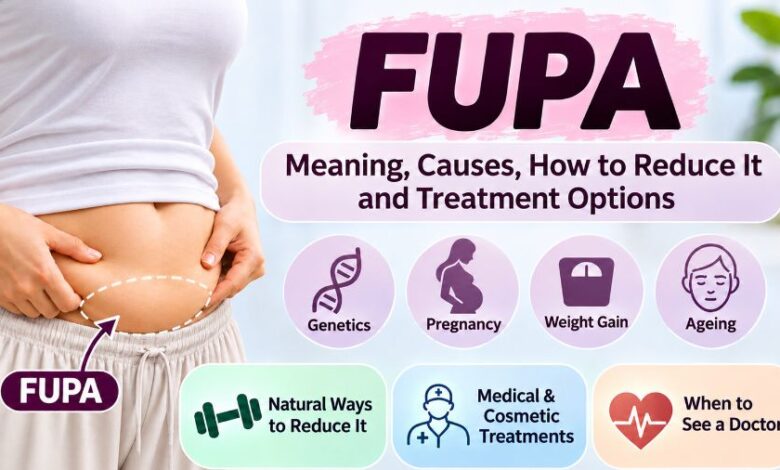
FUPA refers to excess fat or a noticeable bulge in the upper pubic area, located below the lower abdomen and just above the pubic bone. Although it is a common body-shape concern among men and women, many people do not understand why this area becomes more prominent or how to manage it effectively. Changes in body weight, genetics, pregnancy, ageing and skin elasticity can all influence its appearance. Understanding the anatomy, possible causes, realistic weight-management strategies and available medical treatments can help people make informed decisions without relying on misleading fitness claims or unrealistic body-image expectations.
What Is FUPA?
FUPA is an informal abbreviation for Fat Upper Pubic Area, describing a visible accumulation of fatty tissue in the lower abdominal region immediately above the pubic bone. The anatomical area is called the mons pubis, a naturally occurring soft tissue structure found in both men and women. It contains fatty tissue that provides cushioning and protection around the pubic bone. Everyone has this anatomical region, but its size and appearance vary considerably between individuals. A more prominent mons pubis is not automatically a sign of obesity, poor fitness or an underlying medical condition. In some people, the area becomes noticeable because of overall weight gain, while others naturally have a fuller pubic fat pad even when their body weight is within a healthy range.
Understanding the Anatomy of the Upper Pubic Area
The mons pubis is a rounded area of fatty tissue positioned over the pubic symphysis, where the two pubic bones meet at the front of the pelvis. In women, it sits above the external genital structures and usually develops pubic hair after puberty. In men, the corresponding region is also covered by fatty tissue and lies above the base of the penis. Its primary function includes cushioning the underlying bone and protecting nearby structures from pressure and friction. The amount of fatty tissue differs according to genetics, hormones, age and body composition. It is important to distinguish the mons pubis from the lower abdominal wall because these are neighbouring but anatomically different regions, and their treatment options may not be identical.
What Causes FUPA?
There is no single explanation for why the upper pubic area becomes more prominent. Its appearance can result from a combination of inherited body-fat distribution, changes in body weight, pregnancy-related changes and alterations in skin elasticity. Some people naturally store more subcutaneous fat around their lower abdomen and pelvis, while others develop additional fullness after gaining weight. Ageing can also change how skin and underlying tissues sit around the pubic region. Importantly, a noticeable bulge does not always represent excess fat alone. Loose skin, swelling or another underlying condition can sometimes produce a similar appearance, so sudden or unusual changes should not automatically be attributed to weight gain.
Genetics and Natural Fat Distribution
Genetics influence where the body stores and retains fat, which explains why two people with similar body weights can have very different lower abdominal shapes. Some individuals naturally carry more subcutaneous fat around the hips, thighs and pubic region. Hormonal influences also contribute to differences in fat distribution between individuals and across different stages of life. Consequently, a prominent upper pubic area can occur even in someone who exercises regularly and maintains balanced eating habits. Genetics cannot be changed through exercise, but improvements in overall body composition may influence how noticeable the area becomes.
Weight Gain and Body Composition
Weight gain can increase fatty tissue throughout the body, including the lower abdomen and mons pubis. When calorie intake consistently exceeds energy expenditure, the body stores additional energy as fat, although the exact storage pattern depends on individual biology. Some people notice changes around their waist first, while others experience greater fullness around their hips or upper pubic area. Weight distribution is not always proportional, meaning that losing a particular amount of weight does not guarantee an equivalent reduction in every body region. Maintaining a sustainable weight-management routine can help improve overall body composition without requiring extreme diets or excessive exercise.
Pregnancy and C-Section Changes
Pregnancy can influence the appearance of the lower abdomen and mons pubis through weight changes, hormonal effects, stretching of tissues and changes in abdominal skin. After childbirth, some women notice a more prominent area above the pubic bone, even after losing pregnancy-related weight. A C-section can also leave changes in the appearance of the lower abdominal region because surgical healing, scar tissue and surrounding skin may affect how tissues sit. However, a C-section does not automatically cause FUPA, and the appearance varies significantly between individuals. Persistent swelling, increasing pain or an unusual lump following childbirth or surgery deserves medical assessment rather than being treated as ordinary fat.
Ageing and Loose Skin
As people grow older, their skin gradually loses some elasticity and its underlying tissue structure changes. These developments can make the lower abdomen and pubic region appear less firm, particularly after significant weight fluctuations. In some cases, the visible fullness comes partly from loose or hanging skin rather than a substantial amount of fatty tissue. This distinction matters because exercise and weight management may improve body composition but cannot reliably remove large amounts of excess skin. A medical assessment can help determine whether the concern involves localized fat, skin laxity or a combination of both.
Can FUPA Affect Both Men and Women?
FUPA can affect both men and women because everyone has a mons pubis containing fatty tissue. However, its appearance and the factors contributing to it may differ. Women may notice changes following pregnancy, childbirth, menopause or significant weight fluctuations, while men may experience increased fullness around the pubic region alongside general abdominal weight gain. In some men, excess fatty tissue can make the visible length of the penis appear shorter because part of its base is obscured. This is sometimes associated with a buried or concealed penis, although other medical causes are possible. A prominent pubic fat pad is not necessarily a health problem, but discomfort, hygiene difficulties or urinary symptoms should be evaluated by a healthcare professional.
How to Reduce FUPA Naturally
Reducing excess fat around the upper pubic region generally involves improving overall body composition rather than concentrating exclusively on one body part. A balanced eating pattern, regular physical activity, resistance training and consistent lifestyle habits can support gradual fat loss. However, the body determines where fat is lost first, and individual results depend on genetics, starting body composition and other biological factors. Exercises targeting the abdominal muscles can strengthen the core and improve muscular endurance, but they cannot guarantee that the fatty tissue directly above the pubic bone will disappear. People should focus on realistic health improvements instead of expecting rapid changes in one specific anatomical area.
Follow a Balanced Calorie-Controlled Diet
A sustainable calorie deficit can support weight loss when someone has excess body fat. This means consuming slightly fewer calories than the body uses while maintaining adequate nutrition. Meals containing vegetables, fruits, whole grains, lean protein and healthy fats can help provide essential nutrients and support fullness. Highly processed foods and sugary drinks may contribute excess calories when consumed frequently, so moderating their intake can be helpful. Extremely restrictive diets, skipping meals and unverified fat-burning products are not necessary for reducing body fat. A registered dietitian can help develop an appropriate eating plan, particularly for people with medical conditions or specific nutritional requirements.
Include Regular Cardiovascular Exercise
Walking, cycling, swimming and other cardiovascular activities can increase energy expenditure and support cardiovascular health. Regular aerobic exercise also contributes to weight management when combined with appropriate nutrition. Beginners can start with manageable sessions and gradually increase their activity according to their fitness levels. Consistency is generally more useful than occasional exhausting workouts because sustainable routines are easier to maintain. The World Health Organization recommends that adults aim for at least 150 minutes of moderate-intensity aerobic physical activity each week, or an equivalent amount of vigorous activity, alongside muscle-strengthening activities on two or more days.
Strengthen Your Abdominal and Core Muscles
Core exercises can strengthen the muscles surrounding the abdomen, pelvis and lower back, supporting stability and physical function. Planks, dead bugs, reverse crunches and controlled abdominal exercises are examples of movements that can be incorporated into a suitable fitness routine. These exercises may improve muscular strength and posture, but they should not be presented as guaranteed methods of removing pubic fat. Research into localized fat reduction remains limited and does not establish that a particular exercise can reliably eliminate fat from the mons pubis. A combination of resistance training and cardiovascular activity provides a more practical foundation for improving overall fitness.
Maintain Consistent Sleep and Daily Habits
Sleep and daily routines can influence appetite, energy levels and the ability to maintain healthy eating and exercise habits. Adults generally benefit from obtaining sufficient, regular sleep rather than repeatedly sacrificing rest for additional workouts. Managing stress, limiting prolonged inactivity and maintaining consistent meal patterns can also support long-term weight management. These habits do not directly target the pubic fat pad, but they can make a balanced lifestyle easier to sustain. People should avoid expecting dramatic results from individual lifestyle changes because body composition usually responds to several factors working together over time.
Exercises That Support Overall Fat Loss and Core Strength
Exercise can improve strength, endurance and body composition, but no single movement guarantees a reduction in upper pubic fat. A useful routine combines movements that involve different muscle groups rather than relying exclusively on abdominal workouts. Brisk walking and cycling provide cardiovascular activity, while squats, lunges and resistance exercises strengthen major muscle groups. Planks and dead bugs can develop core stability, whereas reverse crunches train abdominal muscles through controlled movement. People who are new to exercise should begin gradually, use correct technique and allow sufficient recovery between demanding sessions. Those experiencing pelvic pain, recent surgical complications or postpartum recovery concerns should obtain appropriate medical guidance before starting strenuous exercise.
Medical and Cosmetic Treatments for FUPA
When a prominent mons pubis remains noticeable despite weight management, medical or cosmetic procedures may be considered. The appropriate treatment depends on whether the fullness comes from excess fatty tissue, loose skin, tissue position or a combination of these factors. A qualified plastic surgeon can examine the area, discuss realistic expectations and explain potential complications before recommending an intervention. Cosmetic treatment is not medically necessary for most people with a naturally prominent pubic fat pad. Decisions should be based on individual concerns, overall health and a proper understanding of the risks rather than pressure to achieve a particular body shape.
Liposuction
Liposuction is a surgical procedure that removes localized fatty tissue through a small incision using a suction-assisted instrument. When the mons pubis contains excess fat and the surrounding skin has reasonable elasticity, a surgeon may consider this procedure to improve its contour. However, liposuction does not reliably correct significant loose skin, and removing too much fat can produce an uneven appearance or unwanted contour changes. Potential complications include bleeding, infection, fluid accumulation, changes in sensation, scarring and irregularities in the treated area. A consultation should establish whether the patient is an appropriate candidate and whether the expected improvement justifies the surgical risks.
Monsplasty or Pubic Lift
Monsplasty, also called a pubic lift or mons pubis improvement procedure, is designed to reshape the area above the pubic bone. Depending on the patient’s anatomy, the surgeon may remove excess fatty tissue, tighten loose skin or reposition the surrounding tissues. It may be considered when a prominent or sagging mons pubis causes persistent discomfort, hygiene difficulties or personal dissatisfaction with its appearance. The procedure is different from ordinary abdominal liposuction because it specifically addresses the pubic region. Recovery, scarring and final results vary, and patients should discuss possible complications and realistic outcomes with a qualified specialist before proceeding.
Tummy Tuck and Panniculectomy
A tummy tuck, medically known as abdominoplasty, removes selected excess abdominal skin and may tighten separated abdominal muscles when appropriate. It can sometimes improve the overall contour of the lower abdomen, including the transition toward the pubic area, but it is not automatically the best treatment for isolated pubic fat. A panniculectomy is different because its primary purpose is removing an overhanging fold of excess skin and tissue, rather than creating a particular cosmetic abdominal shape. Both operations involve surgical risks and recovery requirements. The choice depends on the location of excess tissue, skin quality, medical history and the patient’s treatment goals.
FUPA Versus a Lower Belly Pooch: What Is the Difference?
FUPA and a lower belly pooch can look similar, but they describe different anatomical areas. FUPA specifically refers to fullness in the mons pubis, immediately above the pubic bone, whereas a lower belly pooch generally describes a rounded or protruding lower abdominal area above it. Some people have both, making it difficult to distinguish between the two by appearance alone. The lower abdominal bulge may involve subcutaneous fat, abdominal muscle separation, loose skin or other factors. Identifying the location and underlying cause is important because exercises or treatments designed for one region may not address the other. Persistent or unusual swelling should be assessed rather than assumed to be ordinary body fat.
When Should You See a Doctor About FUPA?
A naturally prominent mons pubis generally does not require medical treatment, but a new, painful or unusual bulge deserves attention. Sudden swelling, redness, warmth, tenderness or a hard lump can indicate an issue unrelated to ordinary fat accumulation. A bulge that becomes more noticeable when coughing, lifting or straining may also require evaluation for a possible hernia. People experiencing urinary difficulties, persistent discomfort or unexpected changes after childbirth or abdominal surgery should seek professional advice. A healthcare provider can examine the area and determine whether the appearance is related to fatty tissue, skin changes, a hernia, inflammation or another condition requiring treatment.
Common Myths About FUPA
Misleading fitness advice often creates unrealistic expectations about changing the pubic area. One common misconception is that hundreds of crunches will directly burn fat above the pubic bone, although strengthening abdominal muscles does not guarantee localized fat loss. Another myth is that FUPA only affects people with obesity, when natural anatomical differences can also make the area prominent in people at different body weights. Some advertisements claim that creams, waist trainers or detox products can permanently eliminate pubic fat, but these claims should not be confused with established medical treatments. Understanding the difference between fat reduction, muscle strengthening and surgical contouring helps people make safer and more informed decisions.
Conclusion
FUPA is a common anatomical feature that can become more noticeable because of genetics, weight changes, pregnancy, ageing and differences in skin elasticity. Although it may affect personal confidence, it is not automatically a sign of poor health or excess body weight. A balanced diet, regular cardiovascular exercise and strength training can support overall fat reduction, but they cannot guarantee targeted fat loss from the pubic region. For people with persistent excess fatty tissue or loose skin, procedures such as liposuction and monsplasty may offer additional options following professional assessment. Understanding the underlying cause is the most important step toward choosing a safe, realistic and appropriate approach.
Also read: Best Gel Pens: 10 Top Picks for Smooth Writing in the UK and USA
FAQs
1. What does FUPA stand for?
FUPA stands for Fat Upper Pubic Area, an informal term describing excess fatty tissue or a noticeable bulge above the pubic bone.
2. Can FUPA go away naturally?
Yes, its appearance may improve through overall fat loss, balanced nutrition and regular exercise, although genetics and loose skin can influence individual results.
3. Can men develop FUPA?
Yes, men can develop excess fatty tissue around the mons pubis, particularly alongside general weight gain or naturally different body-fat distribution.
4. Does walking help reduce FUPA?
Walking supports calorie expenditure, cardiovascular fitness and overall weight management, which may gradually reduce excess body fat, including fat around the pubic region.
5. Can abdominal exercises remove FUPA?
Abdominal exercises strengthen core muscles but cannot guarantee localized pubic fat reduction. Combining resistance training with cardiovascular exercise supports overall fitness and body composition.
6. What is the best medical treatment for FUPA?
Liposuction or monsplasty may help selected individuals, depending on whether the concern involves excess fat, loose skin or changes in tissue position.