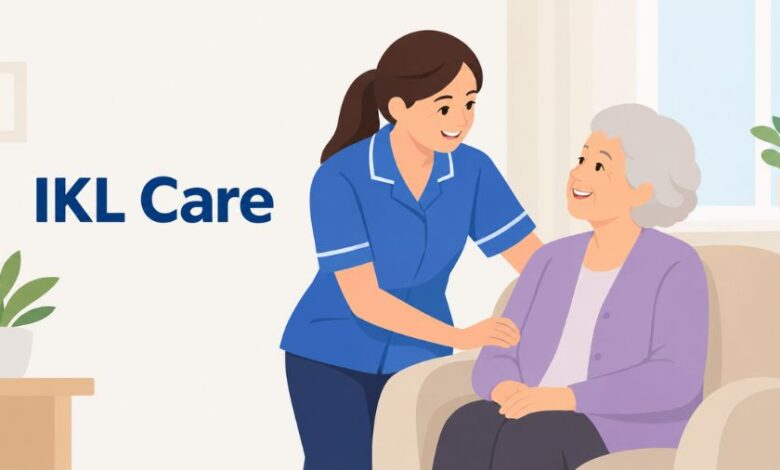
IKL Care is a care provider built around a simple but important idea: everyone deserves support that respects their individual needs, personal choices, and independence. Based in Clackmannanshire, Scotland, the company provides care and support for children, adults, and older people who need assistance in their own homes or within their local communities. Its approach focuses on making everyday life more comfortable while allowing people to remain involved in decisions about their care.
For many families, finding the right care provider is about much more than arranging visits or hiring a support worker. It means finding a team that listens, communicates clearly, understands personal routines, and treats every individual with dignity. IKL Care aims to meet these expectations through personalised care planning and flexible support. Its history, services, and emphasis on individual choice make it a useful example of how home care can help people maintain a sense of control over their lives.
What Is IKL Care?
IKL Care is a home care and support company serving people in the Clackmannanshire area of Scotland. Rather than focusing exclusively on residential care, the organisation provides assistance that enables individuals to remain in familiar surroundings whenever this is suitable for their needs. For many people, staying at home offers comfort, emotional stability, and the opportunity to continue following established routines.
The company supports people with different circumstances and levels of independence. Some individuals may need help with everyday personal tasks, while others require more structured support because of age, disability, health-related challenges, or additional support requirements. The purpose of a personalised care service is to recognise these differences instead of treating every person in the same way.
IKL Care places importance on involving service users in decisions about their support. This can include discussing what assistance is needed, when visits should take place, and which arrangements are most appropriate. Such an approach helps make care more practical and personal, particularly for individuals who want to maintain their independence while receiving additional help.
The History and Background of IKL Care
IKL Care was founded in 1998 by care workers who had experience in the local care sector in Clackmannanshire. Their professional experience helped them recognise the value of a smaller, more personal care provider that could respond to the preferences of the people receiving support.
The idea behind the company developed from an understanding that effective care should involve service users in decisions affecting their daily lives. Instead of relying on a rigid system that leaves little room for individual preferences, the founders wanted to establish a service where people could contribute to their own care arrangements. This principle remains relevant throughout the home care sector, where flexibility and communication can significantly influence a person’s experience.
Over time, home care has become increasingly important as families look for ways to support relatives without automatically moving them into residential facilities. Providers such as IKL Care operate within this wider environment by helping people receive assistance in familiar surroundings. The company’s long history provides context for its development, although its present-day performance should always be considered separately from its founding story.
The Main Services Offered by IKL Care
IKL Care provides support designed to address a range of personal and everyday needs. The exact assistance appropriate for an individual depends on their circumstances, agreed care arrangements, and assessed requirements. Understanding the available services is an important first step for anyone considering a care provider for themselves or a family member.
Personal Care and Everyday Assistance
Personal care can involve support with activities that become difficult because of age, reduced mobility, disability, or other circumstances. Depending on the agreed care plan, assistance may include washing, showering, dressing, toileting, and maintaining personal hygiene. These tasks require sensitivity because they involve private aspects of daily life.
A respectful care worker understands the importance of privacy, consent, and personal preferences. Some individuals may need hands-on assistance, while others may require only occasional help or supervision. The level of support should reflect what the person actually needs rather than unnecessarily limiting their independence.
Help With Meals and Daily Routines
Preparing food, organising mealtimes, and maintaining a regular routine can become challenging for people who live alone or experience difficulties with everyday activities. Home care support may include assistance with meal preparation, eating when required, and other practical household routines included in the care plan.
Regular meals and familiar daily habits can contribute to comfort and wellbeing. Care workers can also help individuals maintain routines that suit their preferences, such as eating at particular times or arranging activities around personal commitments. Any dietary requirements or specific nutritional needs should be clearly communicated and addressed within the appropriate care arrangements.
Medication-Related Support
Managing medication can be complicated, particularly for people who take several prescribed medicines or have difficulty remembering their schedules. Depending on their training, role, and the agreed care plan, care workers may provide appropriate medication-related assistance.
Medication support must follow relevant procedures and individual instructions. Care workers should not make independent changes to prescribed treatment or offer medical advice beyond their competence. When a concern arises, communication with the appropriate healthcare professional is essential.
Companionship and Social Support
Care is not limited to physical assistance. Social interaction can be equally important, especially for individuals who spend long periods alone or have fewer opportunities to participate in community activities.
Companionship may involve conversation, shared activities, help with hobbies, or appropriate assistance with attending appointments and social engagements. These interactions can make everyday life more enjoyable and help individuals remain connected with people and activities that matter to them.
Support Outside the Home
For some people, maintaining independence means being able to leave the house safely and participate in ordinary community life. Depending on the service arranged, support may include accompanying someone to appointments, helping with shopping, or assisting them with suitable social activities.
This type of assistance can be particularly valuable for people who experience mobility difficulties or feel less confident going out alone. The goal is to make participation easier while respecting the individual’s preferences and capabilities.
Personalised Care Planning at IKL Care
Personalised care planning is an important part of effective home support. Every individual has different priorities, routines, abilities, and expectations, so a suitable care plan should reflect those differences. A plan that works well for one person may not be appropriate for another, even when their practical needs appear similar.
A good care planning process begins by understanding the person. This may involve discussing the assistance they need, the activities they want to continue doing independently, any relevant risks, and the times when support would be most useful. Family members or other representatives may contribute when appropriate, while the individual’s own wishes should remain central to the process.
Care plans should also be reviewed when circumstances change. A person might recover some abilities after an illness, develop additional support needs, or change their daily routine. Regular communication helps ensure that care remains appropriate rather than becoming outdated.
For families considering IKL Care, it is sensible to ask how assessments are completed, who reviews care plans, how changes are communicated, and how service users can express their preferences. These questions help establish whether the proposed arrangements are suitable for the individual.
Who Can Benefit From IKL Care?
IKL Care serves children, adults, and older people who require care or support at home or in the community. However, age alone does not determine the kind of assistance someone needs. A person’s health, abilities, living arrangements, personal goals, and available support network all influence the most appropriate care plan.
Older people may benefit from assistance with personal care, meals, mobility-related routines, or companionship. Adults living with disabilities may need practical help while continuing to manage as much of their daily life as possible. Children who require additional support may need arrangements tailored to their individual circumstances and family situation.
The suitability of a service depends on the person’s needs and the provider’s ability to meet them safely. Families should explain any specialist requirements during the initial assessment and confirm that the proposed support falls within the provider’s capabilities and registration conditions.
Why Independence Matters in Home Care
Independence does not necessarily mean doing everything without help. For many people, it means having the opportunity to make decisions, maintain familiar routines, and participate in activities even when assistance is required.
Home care can support this goal by providing help where it is needed without automatically taking over tasks a person can still manage. For example, someone may be able to prepare part of a meal but need assistance with heavier kitchen tasks. Another person might manage personal hygiene independently but require help getting ready to attend an appointment.
This balanced approach can help preserve confidence and personal identity. It also recognises that receiving care should not remove an individual’s right to express preferences or take part in decisions. A supportive relationship between care workers and service users can make it easier to identify the right balance between assistance and independence.
Compassion, Dignity, and Respect
Compassion is an essential part of high-quality care because support often involves personal, emotional, and sometimes sensitive circumstances. Individuals should feel comfortable asking for help without being made to feel embarrassed or dependent.
Dignity involves respecting privacy, listening carefully, obtaining appropriate consent, and recognising that every person has their own preferences. Care workers should communicate clearly and avoid making assumptions about what someone wants or can do. Even small actions, such as asking before assisting or explaining what will happen next, can make a meaningful difference.
Respect also includes recognising cultural preferences, personal values, communication needs, and individual boundaries. Families evaluating IKL Care should consider how the organisation trains its staff, handles concerns, maintains continuity of care, and ensures that people are treated appropriately during visits.
Care Quality and Inspection Standards
Care quality is an important consideration when choosing any home care provider. In Scotland, the Care Inspectorate regulates and inspects registered care services, publishes inspection findings, and supports improvement where necessary. These independent assessments help service users and families understand how a provider performs against relevant standards.
IKL Care publishes inspection reports on its website. Its published information describes an inspection conducted between 17 and 20 March 2026, during which the service received an evaluation of 6, classified as excellent, for supporting people’s wellbeing. The same evaluation was reported for compassion, dignity and respect, as well as assessment and personal care planning.
These findings provide useful information about the areas examined during that inspection. However, a single inspection should not be treated as a guarantee that every future experience will be identical. Care quality can change over time, and the scope of an inspection matters when interpreting its results.
Anyone considering the company should review the latest available inspection information and check the relevant service registration details. It is also helpful to ask how the provider responds to feedback, manages complaints, supports its workforce, and addresses changing care needs.
How to Choose the Right Care Arrangement
Selecting a home care provider is a personal decision that should begin with a clear understanding of the individual’s needs. Before arranging support, families should consider which tasks require assistance, how frequently visits may be needed, and whether any specialist skills or equipment are necessary.
Communication is another important factor. Ask how appointments are scheduled, what happens if a care worker is unavailable, and how changes to visit times are handled. Consistent communication can reduce uncertainty and make it easier for everyone involved to coordinate care.
It is also worth discussing costs, funding options, cancellation policies, and the process for changing a care plan. People arranging privately funded support should request a clear explanation of charges and the services included. Those receiving support through a local authority should confirm the details of their approved arrangements.
Finally, consider the individual’s comfort with the proposed care workers. Trust often develops through reliable visits, respectful conversations, and a willingness to listen. A provider may have suitable services on paper, but the day-to-day relationship is equally important to a positive care experience.
The Importance of Family Communication
Family members frequently play an important role in supporting someone who receives care at home. They may help identify needs, coordinate appointments, share relevant information, or provide emotional support. Good communication between families and care providers can help prevent misunderstandings and make care arrangements more effective.
However, family involvement should be balanced with the service user’s preferences, privacy, and decision-making rights. Where appropriate, the person receiving care should decide what information can be shared and who should be involved in discussions.
A clear process for reporting concerns is particularly useful. Families should know whom to contact if a visit is missed, a person’s needs change, or they notice a potential safety issue. Prompt communication allows concerns to be assessed and addressed before they become more serious.
Challenges and Considerations in Home Care
Although home care offers many advantages, it is not automatically the right solution for every situation. Some individuals may require continuous supervision, specialist clinical care, or a level of assistance that cannot safely be provided through scheduled home visits alone.
Availability and continuity can also influence the experience. Changes in staffing, travel requirements, or scheduling may affect visit arrangements. Families should discuss these possibilities in advance and understand the provider’s procedures for managing unexpected changes.
Another consideration is that care needs can develop over time. A plan that works well initially may require adjustment following a fall, hospital admission, change in mobility, or other significant event. Regular reviews and clear communication are therefore essential.
The best approach is to assess the person’s needs honestly and choose a service capable of meeting them safely. Home care should promote comfort and independence without overlooking risks or creating unrealistic expectations.
Also read: Voozon.com: A Guide to Its Content, Features, and Digital Presence
Conclusion
IKL Care is an established home care and support provider in Clackmannanshire, Scotland, with a history dating back to 1998. Its services are designed to help children, adults, and older people receive appropriate assistance while remaining involved in decisions about their daily lives. Personal care, practical support, companionship, and individual care planning are important elements of the service it describes.
The company’s emphasis on personalised arrangements reflects a wider principle in modern social care: support should respect individual needs rather than follow a single approach for everyone. Published inspection findings also provide useful information for families researching its care standards, although current reports and service details should always be checked before making a decision.
Ultimately, choosing a care provider requires more than looking at its history or advertised services. Families should consider the individual’s requirements, the provider’s registration and inspection record, communication practices, staffing arrangements, and the overall suitability of the proposed support. With careful assessment and open communication, home care can help people maintain dignity, preserve independence, and feel more comfortable in their everyday lives.