Back home, Eid shopping has a familiar rhythm. You buy fabric early in Ramadan, hand it to your tailor and collect a perfect fit a few days before Chaand Raat. Abroad, that rhythm breaks. In most American cities, a good desi tailor is hard to find, and the few that exist are fully booked weeks before Eid.
This is why so many women living overseas now choose Eid ready to wear. Brands like Maria.B. release stitched Eid outfits each season, so you can order your size and wear it straight out of the box. No fittings, no waiting and no last minute panic. Here is why it works so well, and how to get it right.
The Tailor Problem Abroad
Ask any Pakistani woman in the US about Eid prep. The tailor story comes up fast. Some drive an hour each way for a fitting. Others mail fabric to family in Pakistan and hope it comes back in time.
Even when you find a tailor, the timing is tight. Everyone wants their outfit ready for the same weekend. Rush orders cost more. Mistakes happen, and there is rarely time to fix them. For working women and busy mothers, this adds real stress to a month meant for calm and worship.
What Ready to Wear Actually Means
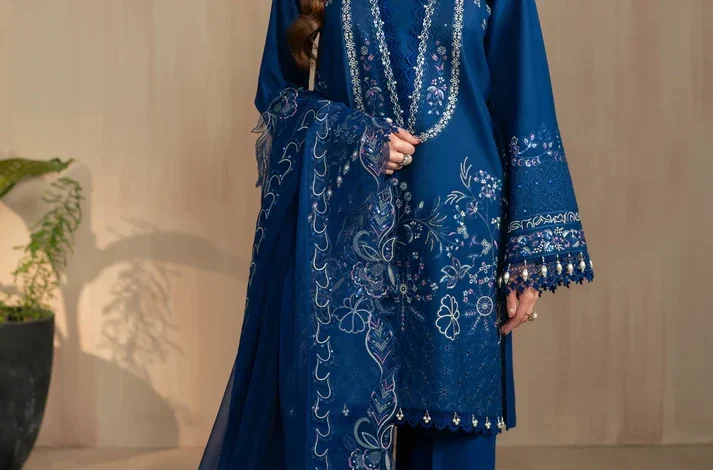
Ready to wear, often called pret, is clothing that arrives fully stitched. A typical Eid set includes a shirt, trousers and a dupatta. Some pieces come as a single kurta or a two piece set.
Each outfit is cut in standard sizes, usually from extra small to extra large. The embroidery, buttons and finishing are already done. You do not need to buy laces, pick a neckline or explain a design to anyone. What you see on the website is what arrives at your door.
Why It Works So Well for Eid Abroad
Ready to wear fits the way life runs overseas.
- It saves time. Ramadan days are long, and evenings go to iftar, prayers and family. Skipping tailor visits gives you hours back.
- The fit is predictable. A size chart tells you exactly what to expect.
- You see the final look first. There is no gap between what you imagined and what the tailor made.
- Late shopping is possible. If you forget an outfit for a cousin or a dinner, you can still order one in time.
- It suits the whole family. Many brands offer matching kids and men’s pieces, which makes coordinated Eid photos easy.
How to Get the Fit Right
The only real risk with ready to wear is size. A few simple steps take care of it.
- Measure yourself at home. Note your bust, waist, hips and shoulder width. Use a soft tape and do not pull it tight.
- Compare with the brand’s size chart. Do not rely on your usual US size, since Pakistani brands size differently.
- Check the shirt length. Some Eid styles run long, so look at the length listed for each piece.
- Size up if you fall between two sizes. Taking a shirt in is easier than letting it out.
- Read the exchange policy before you order, just in case.
If you need a small change, such as shorter trousers, any local alterations shop can handle it. That is a quick and cheap fix compared with stitching a suit from scratch.
Picking the Right Piece for a March Eid
Eid ul Fitr is expected around 10 March 2027, depending on the moon. In much of the US, that means cool mornings and mild afternoons. Snow is still possible up north.
Choose fabrics that handle both. Cotton silk, jacquard and lined chiffon work well. Keep a light shawl or a long cardigan nearby for the walk to Eid prayers.
Spring colors suit the season. Mint, lilac, peach, sky blue and soft white all feel fresh. If you have a family lunch and an evening dawat, pick one outfit that can be dressed up later with heavier jewelry.
When to Order
Ramadan 2027 should begin in early February. Eid collections usually go live around the same time. The best pieces in common sizes sell out first, so shop early in the month.
Aim to place your order at least three weeks before Eid. That covers international shipping and leaves room for an exchange if needed. Track your parcel and open it the day it arrives. Try everything on right away, not on Eid morning.