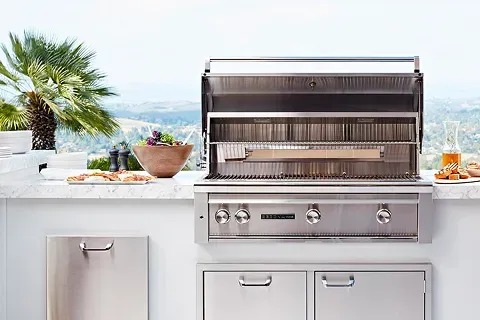
Outdoor grilling is a popular way to prepare meals while enjoying fresh air and spending time with family and friends. From burgers and steaks to seafood and vegetables, a suitable grill can make outdoor cooking convenient and enjoyable. However, choosing the right equipment requires more thought than simply selecting the largest or most attractive model.
Different grills are designed for different cooking habits, spaces, and requirements. Some people need a compact appliance for occasional meals, while others want a larger cooking surface for regular gatherings. Understanding the important features before buying can help you choose equipment that suits your needs.
Consider How You Plan to Use Your Grill
Start by thinking about the meals you regularly prepare. If your favorite dishes include burgers, sausages, chicken, and vegetables, a traditional grilling surface may be suitable. If you frequently prepare breakfast foods, chopped ingredients, or meals that benefit from a flat surface, a griddle may be worth considering.
The number of people you usually cook for also matters. A smaller grill can be practical for one or two people, while a larger cooking area may help when preparing several portions at once. Remember that a bigger appliance also requires more storage space and may need additional cleaning and maintenance.
Consider how frequently you will use the grill. Occasional users may prefer a straightforward design with easy cleaning, while regular outdoor cooks may appreciate additional cooking flexibility.
Understand Different Outdoor Cooking Surfaces
Not every outdoor cooking appliance works in the same way. Traditional grill grates allow heat to reach food while excess fat can drip away, depending on the appliance design. They are commonly used for foods such as steaks, burgers, chicken, and vegetables.
A flat-top griddle provides a different cooking experience. Its smooth surface is useful for foods that might fall through traditional grill grates, including eggs, pancakes, chopped vegetables, and smaller pieces of meat. It can also make it easier to prepare several ingredients together.
Some outdoor cooking areas benefit from having both styles available. However, if you have limited space or a specific budget, it may be more practical to choose the surface that best matches your usual meals.
You can compare different cooking styles and equipment in the Big Horn Outdoors grills and griddles collection.
Compare Fuel Types and Operating Requirements
Fuel type can affect convenience, setup, and ongoing use. Gas grills are often selected by people who prefer a straightforward starting process and adjustable heat. Before buying one, check its fuel requirements, connection type, and whether the necessary accessories are included.
Other outdoor cooking appliances may use different fuel sources or operating methods. The best option depends on where you intend to cook and what fuel is readily available. Always check the product instructions and local safety requirements before connecting or operating an appliance.
Do not assume that every grill can be used in the same location. Some appliances are designed for outdoor use only and require specific clearances and ventilation. Follow the manufacturer’s instructions carefully.
Look at Cooking Capacity and Available Space
Cooking capacity is one of the most important features to compare. A grill should provide enough room for the quantity of food you normally prepare without making the appliance unnecessarily large.
Measure the space where you intend to place the grill. Consider not only the appliance’s overall dimensions but also the additional clearance needed for safe operation, access, and maintenance.
If you have a small patio, balcony, or limited storage area, a compact design may be more practical. For a larger garden or outdoor kitchen, you may have room for a bigger appliance or more than one cooking surface.
Portability can also matter. If you plan to move your equipment between different outdoor areas, check its weight, handles, construction, and any manufacturer-provided mobility features.
Check Construction and Ease of Cleaning
Outdoor equipment is exposed to changing weather conditions, food residue, and regular handling. Construction quality and maintenance requirements should therefore be part of your buying decision.
Look at the materials used for the body and cooking surface. Check the manufacturer’s care instructions to understand which cleaning products and methods are recommended. Some surfaces may require specific treatment to maintain their condition.
A removable grease tray or accessible cooking components can make cleaning more convenient, depending on the design. Consider whether replacement parts and accessories are available if you expect to use the appliance frequently.
After cooking, allow the equipment to cool as directed before cleaning or covering it. Regularly remove food residue and grease, and inspect fuel connections where applicable.
Think About Useful Features Rather Than Extras
Additional features can make a grill easier to use, but they should serve a practical purpose. For example, a lid may be helpful for certain cooking methods, while side shelves can provide additional preparation space.
Temperature controls, storage areas, removable components, and compatible accessories may also be useful. However, more features do not automatically mean a better purchase.
Create a short list of the functions you actually need. Comparing appliances against this list can help you avoid paying for features that will rarely be used.
Make Outdoor Grilling Safer
Safe placement and operation are essential. Use outdoor cooking appliances only in locations approved by their manufacturers. Keep grills away from buildings, combustible materials, dry vegetation, and areas where children or pets may come too close.
Never operate an outdoor grill inside a home, garage, or enclosed space. Make sure the appliance has the required ventilation and clearance. For gas equipment, inspect hoses and connections and follow the correct procedures for connecting and disconnecting fuel.
Keep suitable fire-safety equipment nearby and never leave a hot grill unattended. These simple precautions can help make outdoor cooking more comfortable and responsible.
Explore Options Before Making a Purchase
A good buying decision comes from comparing equipment according to your own cooking habits, space, and maintenance preferences. Consider the cooking surface, capacity, fuel requirements, and ease of cleaning before deciding.
For a range of outdoor cooking products and equipment ideas, explore Big Horn Outdoors. Reviewing the available options can help you identify a grill or griddle that fits your plans.
Conclusion
Choosing the right outdoor grill is easier when you focus on practical requirements rather than appearance alone. Consider what you cook, how many people you serve, how much space you have, and how much maintenance you are comfortable performing.
Whether you prefer traditional grilling or the flexibility of a flat cooking surface, the right equipment can make outdoor meals easier to prepare and more enjoyable to share.