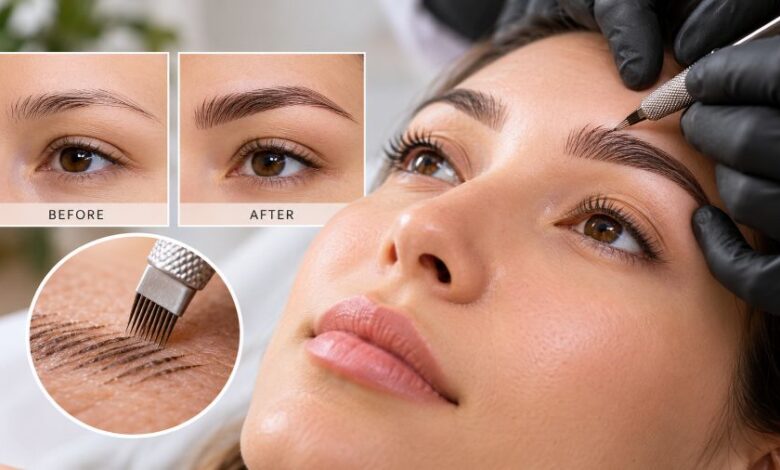
Mikrobleidingas is the Lithuanian term for microblading, a semi-permanent cosmetic eyebrow treatment designed to create fuller, more defined, and natural-looking brows. Using a specialised handheld tool and cosmetic pigment, the procedure creates fine strokes that resemble individual eyebrow hairs, making it appealing to people with sparse, uneven, or over-plucked eyebrows. However, achieving attractive results involves more than choosing a particular brow shape or pigment colour. Understanding how microblading works, what happens during healing, how long the results may last, and which safety precautions matter can help you make an informed decision. This guide explores the procedure, its benefits, limitations, costs, aftercare, and potential risks so you can decide whether it suits your beauty preferences and skin needs.
What Is Mikrobleidingas?
Mikrobleidingas refers to microblading, a cosmetic technique used to enhance the appearance of eyebrows by depositing pigment into the skin through controlled, hair-like strokes. Unlike ordinary eyebrow pencils or powders, which sit on the skin and wash away, microblading creates a longer-lasting result. It belongs to the broader category of permanent makeup, also known as cosmetic tattooing or micropigmentation, although its appearance and pigment retention differ from those of traditional body tattoos. The primary goal is to create the illusion of fuller eyebrows while maintaining a shape that complements the individual’s facial features. Results depend on the practitioner’s technique, pigment selection, skin characteristics, and healing process. Although microblading is often described as semi-permanent, the pigment may not disappear completely, and unwanted colour or shape changes can sometimes persist.
How Does Microblading Work?
Microblading works by using a handheld instrument fitted with a small arrangement of fine needles to introduce pigment into the skin. The practitioner creates individual strokes that follow the intended direction of natural eyebrow hairs, producing a textured appearance rather than a solid block of colour. The process requires careful control because the depth, angle, spacing, and direction of each stroke influence the final result. Before treatment, the practitioner normally discusses the desired shape, assesses the existing eyebrows, and selects a suitable pigment. A topical numbing product may be used when appropriate, although discomfort can still occur. Following the procedure, the treated area needs time to heal, and the colour can appear darker initially before becoming softer. A follow-up appointment may be recommended to assess pigment retention and make appropriate adjustments.
The Role of Brow Mapping
Brow mapping is the process of planning the eyebrow shape before pigment is applied. The practitioner evaluates facial proportions, the natural brow line, symmetry, and the client’s preferences to establish the proposed design. This stage is particularly important because even technically precise strokes can produce an unsatisfactory result if the overall shape is unsuitable. The planned outline should be reviewed carefully before treatment begins, allowing the client to discuss concerns about the arch, thickness, length, or position. Natural facial asymmetry should also be considered rather than assuming that both eyebrows must be identical. A thoughtful design aims to create visual balance without making the eyebrows look unnecessarily artificial or changing their character.
How Pigment Creates Hair-Like Strokes
The pigment used in microblading adds colour beneath the skin’s surface, allowing carefully drawn strokes to remain visible after ordinary makeup has been removed. The practitioner chooses a shade based on factors such as natural eyebrow colour, hair colour, skin tone, and the intended result. However, pigment appearance can change as the skin heals and as the colour gradually fades or shifts over time. Individual strokes may also become less distinct, depending on skin characteristics and the technique used. This is why realistic expectations are important. Microblading can enhance the appearance of existing eyebrows, but it cannot guarantee that every stroke will heal with the same sharpness or colour as it appeared immediately after treatment.
What Happens During a Microblading Appointment?
A typical microblading appointment begins with a consultation about the desired appearance, relevant skin concerns, medical history, and previous cosmetic treatments. The practitioner then examines the eyebrows, discusses the proposed shape, and selects a pigment. After the brow design has been agreed upon, the skin is prepared and the procedure begins. The practitioner creates fine strokes while monitoring their placement and overall appearance. The appointment may take approximately 1.5 to 3 hours, although the duration varies according to the treatment plan, consultation, and practitioner. Some people experience mild discomfort, tenderness, or temporary redness. Before leaving, clients should receive clear aftercare instructions and information about signs of complications. A separate follow-up appointment may be arranged if the practitioner considers a touch-up appropriate.
Benefits of Mikrobleidingas
One of the main advantages of microblading is its ability to create a more defined eyebrow shape without requiring daily pencil application. People with naturally sparse brows, small gaps, or uneven outlines may appreciate the additional definition. The hair-stroke technique can also produce a softer appearance than some traditional cosmetic tattooing methods, especially when the design respects the natural brow pattern. Another potential benefit is convenience: once the area has healed, users may spend less time shaping their eyebrows as part of their daily routine. However, the outcome is highly individual, and these benefits should not be interpreted as guarantees. The treatment requires an invasive cosmetic procedure, ongoing attention to skin health, and potentially costly maintenance. Its suitability depends on personal preferences, skin characteristics, and willingness to accept the associated risks.
A Fuller Appearance for Sparse Eyebrows
Microblading can help create the appearance of fuller eyebrows by adding strokes in areas where natural hairs are thin or widely spaced. This can be useful for people whose eyebrows have become sparse through over-plucking or who naturally have limited brow density. The practitioner can work around existing hairs to create a more continuous outline. Nevertheless, microblading does not stimulate hair growth or treat the underlying cause of hair loss. If eyebrow thinning develops suddenly, occurs alongside other symptoms, or continues to worsen, a healthcare professional can help investigate possible causes before a cosmetic treatment is considered.
Reduced Dependence on Daily Brow Makeup
For people who regularly use eyebrow pencils, gels, or powders, microblading may reduce the amount of time spent recreating their desired shape each morning. The pigment remains visible during ordinary activities, including washing the face once the area has healed. However, the result does not necessarily eliminate the need for makeup. Some clients may still prefer to fill in their brows for special occasions or to create a stronger appearance. Microblading also requires maintenance when the colour fades, so it is more accurately understood as a longer-lasting cosmetic option rather than a permanent replacement for all eyebrow products.
How Long Does Microblading Last?
Microblading results commonly last around one to three years, but this is a broad estimate rather than a guaranteed lifespan. Some people notice substantial fading sooner, while others retain visible pigment for longer. Skin type, pigment composition, application depth, sun exposure, skincare habits, and the body’s natural processes all influence how the colour changes. Oily skin may present particular challenges because excess sebum and skin texture can affect how crisp individual strokes appear. Exposure to sunlight and certain exfoliating products may also contribute to fading or changes in appearance. Importantly, fading does not mean the pigment has completely disappeared. Residual colour may remain, and repeated touch-ups can gradually alter the appearance of the brows. The need for maintenance should therefore be considered before booking the initial procedure.
Why Results Differ Between Individuals
Two people receiving similar microblading treatments may experience different outcomes because their skin does not heal in exactly the same way. Natural oil production, sensitivity, existing skin conditions, immune responses, and the location and depth of pigment placement can all affect retention. The practitioner’s experience and the quality of the treatment environment are also relevant. Following aftercare guidance can support healing, but it cannot guarantee uniform pigment retention. A responsible practitioner should explain these variables before treatment rather than promising that a particular result will last for a fixed period.
Microblading Aftercare and Healing
Aftercare is an important part of the microblading process because the treatment creates small breaks in the skin. During healing, the eyebrow area may look darker than expected, feel tender, or develop light crusting. The appearance can change as the skin recovers and the pigment settles. Clients should follow the specific written instructions provided by their practitioner and avoid introducing unapproved products to the treated area. Clean hands, gentle handling, and avoiding unnecessary friction can help reduce irritation. Instructions concerning washing, ointments, moisture, exercise, and sun exposure may differ according to the technique and the individual’s circumstances. Persistent or worsening redness, increasing pain, pus, or fever should not be dismissed as ordinary healing. These symptoms warrant prompt medical assessment.
The First Few Days After Treatment
During the first few days, the eyebrows may appear more intense or sharply defined than the intended healed result. Mild tenderness and limited swelling can occur, but symptoms should not progressively worsen. Avoid rubbing, scratching, or picking at the treated skin because this can interfere with healing and pigment retention. Do not apply makeup directly to the healing area unless a qualified healthcare professional or the practitioner’s appropriate aftercare guidance indicates that it is safe. Follow the recommended cleaning routine rather than repeatedly washing or treating the eyebrows with harsh products. If severe discomfort, spreading redness, unusual discharge, or other concerning symptoms develop, seek medical advice instead of attempting to manage a possible complication with cosmetic products.
Supporting the Healing Process
The healing process requires patience because the immediate appearance does not always reflect the final result. Clients should follow the recommended restrictions on swimming, saunas, intense sweating, direct sunlight, and skincare products until the area has sufficiently healed. The exact period depends on the procedure and individual recovery, so a universal timetable should not replace personalised instructions. Once healing is complete, protecting the eyebrows from excessive sun exposure may help preserve their appearance. Products containing exfoliating acids or other active ingredients should be used cautiously around the treated area because they may contribute to irritation or pigment changes. Any skincare routine that causes persistent inflammation should be reviewed with a qualified professional.
Potential Risks and Side Effects of Microblading
Microblading is an invasive cosmetic procedure, not simply a surface-level beauty treatment. Because it introduces pigment through breaks in the skin, it can cause infection, allergic reactions, inflammation, scarring, and dissatisfaction with the resulting shape or colour. Infections may arise from contaminated equipment or pigment, and contamination can occur even when a product’s packaging appears intact. Some complications require medical treatment, while pigment removal may be difficult, expensive, or incomplete. Repeated procedures can also contribute to skin damage or changes in the appearance of the treated area. The likelihood and severity of complications depend on multiple factors, including hygiene, technique, individual susceptibility, and aftercare. Understanding these risks is essential before deciding whether the cosmetic benefits outweigh the potential disadvantages.
Infection and Hygiene Concerns
Safe microblading requires strict hygiene practices, appropriate hand protection, properly sterilised or single-use equipment, and careful handling of pigments. Needles and other disposable components should never be reused between clients. Contaminated tools or products can transmit harmful microorganisms and may cause local skin infections or, in some circumstances, more serious blood-borne infections. A clean-looking salon alone is not proof that appropriate infection-control procedures are followed. Before treatment, ask how equipment is handled, whether single-use items are opened for each client, and how pigments are stored and dispensed. Seek medical attention if the treated area becomes increasingly painful, hot, swollen, or red, or if discharge or fever develops.
Allergic Reactions and Scarring
Some people develop allergic or inflammatory reactions to tattoo pigments, numbing products, or aftercare preparations. Symptoms can include itching, swelling, a rash, or persistent inflammation. Reactions may not always appear immediately, so an initially normal recovery does not eliminate every possibility of a later problem. Scarring is another potential concern, particularly when skin is injured repeatedly or healing is complicated. Individuals with a history of keloids or problematic scarring should discuss their circumstances with a qualified healthcare professional before undergoing treatment. A practitioner may discuss patch testing where appropriate, but a negative test cannot guarantee that an allergic reaction will never occur. Persistent symptoms require medical evaluation rather than repeated experimentation with creams or home remedies.
When to Seek Medical Advice
Mild, short-lived tenderness is different from symptoms that become progressively worse. Increasing pain, spreading redness, marked swelling, pus, fever, or feeling generally unwell may indicate a complication that needs medical assessment. Severe swelling, rapidly spreading inflammation, or significant systemic symptoms warrant urgent care. Do not assume that every reaction is caused by normal pigment settling, and avoid taking leftover antibiotics or applying unprescribed medication. If a reaction occurs, provide the healthcare professional with information about the procedure, products used, and when symptoms began. Early assessment can help identify the cause and determine whether treatment is necessary.
Who Is a Suitable Candidate for Microblading?
Microblading may suit adults who want a longer-lasting way to define sparse or uneven eyebrows and who understand the limitations of cosmetic tattooing. Suitability should be assessed individually rather than determined solely by age, beauty preferences, or skin tone. Existing skin conditions, allergies, a history of abnormal scarring, medications, and previous cosmetic procedures can influence the decision. People who are pregnant, have certain medical conditions, or take medicines that affect bleeding or immunity should consult an appropriate healthcare professional before considering an invasive cosmetic procedure. Active skin irritation or infection around the eyebrows is a reason to postpone treatment until the problem has been assessed and resolved. A responsible practitioner should be willing to decline or delay treatment when safety concerns arise.
Is Microblading Suitable for Oily Skin?
People with oily skin can sometimes receive microblading, but the results may be less predictable. Excess oil and certain skin characteristics can make fine strokes appear softer or less distinct after healing. This does not mean that every person with oily skin will experience poor results, because technique and individual skin conditions also matter. During consultation, ask the practitioner to explain the likely outcome for your skin type and whether another eyebrow enhancement method may be more appropriate. Avoid choosing a treatment based solely on photographs of results achieved on people with different skin characteristics.
What About Sensitive Skin or Existing Skin Conditions?
Sensitive skin may be more prone to irritation from pigments, numbing products, or aftercare preparations, although sensitivity alone does not automatically determine whether someone is suitable. Active eczema, dermatitis, infection, or inflammation near the eyebrows should be assessed before treatment. People with a history of serious allergic reactions or keloid formation should disclose this information in advance. If there is uncertainty about the risks, advice from a dermatologist or another appropriately qualified healthcare professional can help inform the decision. Cosmetic goals should never take priority over managing an existing skin problem.
Microblading vs Other Eyebrow Treatments
Microblading is one of several ways to improve eyebrow definition, and the most suitable option depends on the desired appearance, budget, skin characteristics, and willingness to accept a longer-lasting result. Traditional eyebrow pencils and powders provide temporary colour without deliberately breaking the skin, while brow gels can help arrange existing hairs. Brow tinting colours the hairs for a limited period, whereas brow lamination changes their appearance and direction using cosmetic products. Powder brows and other forms of cosmetic tattooing create a different visual effect and may use different equipment or techniques. These options are not interchangeable in every situation. Comparing their maintenance requirements, expected results, and risks can help individuals select a method that fits their needs.
Microblading vs Powder Brows
Microblading generally focuses on fine strokes intended to resemble natural eyebrow hairs. Powder brows, by comparison, create a shaded effect that can resemble the appearance of eyebrow powder or pencil. Some techniques combine strokes and shading, but the result depends on the method selected by the practitioner. Neither option is universally superior: the best choice depends on the client’s preferences, skin characteristics, existing brow hairs, and tolerance for maintenance. Both procedures involve pigment being introduced into the skin and therefore carry risks associated with cosmetic tattooing. A consultation should focus on the expected healed appearance rather than photographs taken immediately after treatment.
Microblading vs Traditional Eyebrow Makeup
Traditional eyebrow makeup offers flexibility because the shape, colour, and intensity can be changed or removed at any time. It generally avoids the risks associated with inserting pigment into the skin, although cosmetic products can still cause irritation or allergies. Microblading offers longer-lasting definition but involves an invasive procedure and can be difficult to reverse if the result is unsatisfactory. Makeup may be more appropriate for someone who enjoys changing their appearance or is uncertain about committing to a particular brow shape. Microblading may appeal to someone who values convenience and understands the need for careful aftercare and possible future maintenance.
How Much Does Microblading Cost?
The cost of microblading varies by location, practitioner experience, salon reputation, treatment complexity, and whether a follow-up session is included. Because prices differ considerably between markets and providers, there is no single reliable price that applies to everyone. Before booking, request a clear explanation of the total cost, including consultation, the initial procedure, any recommended touch-up, and possible future maintenance. A lower price is not necessarily better value if the practitioner lacks appropriate training or follows inadequate hygiene practices. Similarly, a high price does not guarantee a safe procedure or a satisfactory result. Compare providers based on relevant experience, transparent policies, hygiene standards, and realistic explanations of the possible outcomes.
Choosing a Qualified Microblading Practitioner
Selecting a practitioner requires more than reviewing attractive social media photographs. Ask about relevant training, experience, local licensing or registration requirements, infection-control procedures, pigment handling, and the process for dealing with complications. Review photographs showing healed results, not just freshly completed brows, and check whether the examples reflect clients with similar skin characteristics. A trustworthy practitioner should discuss limitations, explain aftercare, answer questions without pressure, and avoid guaranteeing perfect symmetry or permanent results. Check local regulatory requirements because rules governing cosmetic tattooing vary by jurisdiction. If the practitioner cannot explain their hygiene procedures or dismisses reasonable safety concerns, consider another provider.
Can Microblading Be Removed?
Microblading pigment may fade naturally over time, but fading should not be confused with complete removal. If the colour or shape becomes undesirable, removal can be challenging because pigment is located within the skin. Depending on the circumstances, a qualified clinician may discuss suitable removal options, including laser treatment or other specialist approaches. Results vary according to pigment composition, colour, depth, skin characteristics, and previous treatments. Multiple sessions may be needed, and complete removal without scarring or pigment changes cannot be guaranteed. Do not attempt to remove microblading at home with acids, abrasive products, or unregulated removal creams, as these may cause burns, infection, or permanent scarring. Anyone considering removal should seek advice from a suitably qualified professional experienced in tattoo removal.
Common Microblading Myths Explained
Several misconceptions can lead people to underestimate the commitment involved in microblading. One common myth is that the treatment is entirely painless; in reality, discomfort varies between individuals, and numbing products do not always eliminate sensation. Another is that semi-permanent pigment disappears completely after a predictable period, although residual colour can remain for much longer. Some people also assume that natural-looking strokes are guaranteed regardless of skin type, technique, or aftercare. In practice, healed results vary, and the appearance may soften or change over time. Finally, the belief that expensive treatment is automatically safe is misleading. Good outcomes depend on appropriate training, hygienic practice, suitable products, careful planning, and individual healing rather than price alone.
The Future of Eyebrow Enhancement
Eyebrow enhancement continues to offer a range of options, from traditional makeup to increasingly varied cosmetic tattooing techniques. Consumer preferences may shift towards softer shapes, customised designs, or methods that better accommodate different skin characteristics, but trends do not establish which treatment is safest or most effective for a particular person. Microblading remains one option for creating the appearance of individual eyebrow hairs, while other techniques may better suit people seeking a shaded effect or more flexible styling. The most meaningful developments for consumers are improvements in practitioner training, infection control, pigment transparency, and informed consent. Regardless of changing beauty trends, decisions about invasive cosmetic procedures should prioritise realistic expectations, skin health, and the ability to manage unwanted outcomes.
Conclusion
Mikrobleidingas, commonly known as microblading, offers a longer-lasting way to create fuller-looking eyebrows through carefully placed pigment strokes. It can reduce reliance on daily brow makeup and enhance the appearance of sparse or uneven eyebrows, but the results depend on skin characteristics, practitioner technique, healing, and maintenance. The procedure also carries genuine risks, including infection, allergic reactions, scarring, and difficult-to-remove pigment. Understanding the differences between microblading and other eyebrow treatments, following appropriate aftercare, and choosing a qualified practitioner are essential steps before making a decision. Ultimately, the best eyebrow enhancement is one that matches personal preferences while respecting individual skin health, safety, and realistic expectations.
Also read: Volglaswanden: Complete Guide to Glass Partition Walls and Modern Design
FAQs
1. What does Mikrobleidingas mean?
Mikrobleidingas is the Lithuanian term for microblading, a cosmetic eyebrow procedure that uses fine pigment strokes to create fuller-looking, naturally defined brows.
2. How long does microblading usually last?
Microblading commonly lasts around one to three years, although skin type, pigment retention, sun exposure, skincare habits, and individual healing influence longevity.
3. Is microblading painful?
Microblading can cause discomfort, tenderness, or mild irritation. Sensations vary between individuals, and topical numbing products may reduce discomfort without eliminating it completely.
4. Can people with oily skin get microblading?
Yes, some people with oily skin can receive microblading, but individual strokes may heal less distinctly. A practitioner should assess suitability before treatment.
5. What are the main risks of microblading?
The main risks include infection, allergic reactions, inflammation, scarring, and unsatisfactory pigment changes. Proper hygiene and appropriate aftercare help reduce preventable complications.
6. Can microblading be completely removed?
Complete removal is not guaranteed. Specialist treatments may reduce unwanted pigment, but multiple sessions, skin discoloration, or scarring can occur depending on individual circumstances.