Cash used to be the normal way to pay. Now it’s more of an exception. If your business still only takes cash, that change isn’t just a bit annoying for customers. It’s costing you sales, and a lot of those losses never show up on the till roll at all.
The Hidden Cost of Turning Away Card Payments
More people are carrying less cash day to day than they were five years ago. Studies put it somewhere around 30-40% of consumers, and that number has climbed fast. So for a cash-only business, a bigger chunk of potential customers can’t pay you, even when they’d like to.
The awkward part is that nobody writes down a sale that didn’t happen. Someone asks if you take card, you say no, they leave. You carry on with your day. There’s no record. Over weeks and months, though, those quiet little losses pile up into a real dent in revenue.
Younger shoppers are pushing this along quickest. Gen Z and millennials barely carry cash. They’ll tap a card or a phone for a coffee, a snack, pretty much anything. If you can’t work with that habit, you could end up cutting off a whole generation of spenders without really noticing.
Why Customers Abandon Cash-Only Businesses
It isn’t only about people having empty wallets. There’s a trust issue underneath it too.
Plenty of customers just find cash-only rules inconvenient. They don’t want to hunt for an ATM, and they’re even less keen when there’s a place down the road that takes cards without any fuss.
Then there’s how it looks. Some people assume a cash-only business is dodging tax or running things a bit informally. That suspicion can creep in before they’ve even reached the counter. It doesn’t have to be fair. It still costs you.
Impulse buys take the biggest hit, probably. That “oh, I’ll grab one of those as well” moment disappears when someone can’t pay the way they want to. Tapping a card makes it easy to add an extra item or round up for a decent tip. Cash-only takes that away completely.
The Real Financial Impact
Breaking the numbers down helps here. First, roughly estimate how many customers walk away each day because you don’t take cards. Multiply that by your average sale. Even a few lost sales a day grow quickly over a month, and over a year it gets serious.
Customer lifetime value matters too. One turned-away payment isn’t just one lost sale. It might be a regular you never got, and with them goes every future purchase, every recommendation, every review they might have left.
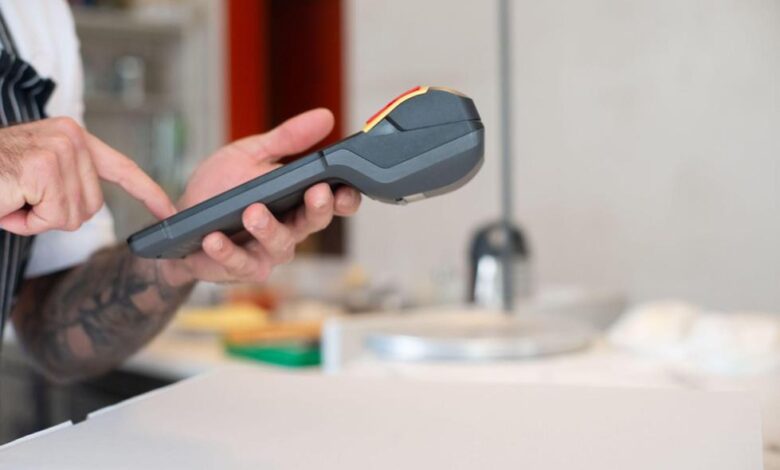
Now put all that next to what it actually costs to take cards. Processing fees get blamed a lot as the reason businesses skip card machines. But those fees are usually small compared with the money lost by sending people away. If you pick a card machine like myzeller.com/gb/card-machine with no lock-in contract and same-day settlement, the math gets pretty simple. Small fees on sales that happen almost always beat the cost of sales that don’t.
Keeping Pace with How Britain Pays
Cash now makes up less than 10% of all UK payments. Contactless and mobile wallets keep growing. If you’re trying to decide whether card payments are worth it, the numbers are fairly clear: this isn’t something to wait out. It’s simply how customers expect to pay now.
Switching early puts you in a good spot to pick up the sales your cash-only competitors are quietly missing. A sensible place to start is looking at how card payments would fit your own setup (transaction fees, how fast money lands in your account, that sort of thing) so you can choose something that helps your business grow instead of holding it back.