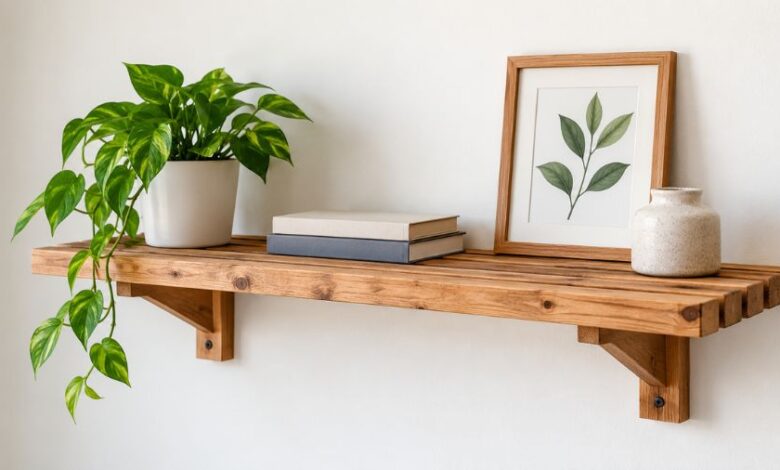
Trallehylde is an interesting Danish term associated with wooden shelving inspired by slatted timber structures, offering a practical way to organize everyday items while adding a natural touch to interior spaces. As homeowners increasingly look for furniture that combines functionality with attractive design, this type of shelving has become an appealing option for people who appreciate Scandinavian-inspired interiors. Its simple appearance, versatile construction, and warm wooden textures make it suitable for various rooms, including kitchens, living rooms, bedrooms, bathrooms, and home offices. Whether you prefer a rustic atmosphere or a clean, modern interior, a well-designed wooden shelf can help you create a more organized and welcoming home without making the space feel crowded.
What Is Trallehylde?
Trallehylde is a Danish word formed from two elements: tralle, which refers to a slatted wooden platform or similar structure, and hylde, which means shelf. Together, the term describes a shelving concept associated with wooden slats or platform-inspired construction. Depending on the manufacturer and product design, a Trallehylde may feature exposed timber, a rustic surface, a simple rectangular shape, or a more refined finish suitable for contemporary interiors.
Unlike conventional shelving that focuses mainly on providing a flat storage surface, this style can introduce additional visual interest through its wooden construction. The natural grain, visible joints, and overall texture can make the shelf a decorative feature as well as a useful storage solution. However, designs vary, so it is worth examining the materials, construction, and dimensions of an individual product before deciding whether it suits your needs.
The Growing Appeal of Wooden Shelving
Wooden shelving remains popular because it combines everyday practicality with a timeless appearance. While furniture trends frequently change, natural wood can complement a wide range of interior styles, from traditional country homes to contemporary apartments. Its texture adds warmth to rooms that might otherwise feel dominated by smooth surfaces, glass, metal, or neutral colors.
Trallehylde-style shelving fits this preference for simple, useful furniture. Instead of introducing a large cabinet or bulky storage unit, a shelf can provide an accessible place for frequently used belongings while keeping the room visually open. Wooden shelves can also be styled with plants, books, ceramics, framed photographs, and other decorative objects. This combination of storage and decoration makes them especially attractive to homeowners who want their furniture to serve more than one purpose.
Key Features of Trallehylde
One of the most recognizable characteristics of this shelving style is its emphasis on wooden construction. Depending on the design, the shelf may feature individual slats, visible timber details, or a surface that draws inspiration from traditional wooden platforms. These details give the furniture a distinctive appearance without requiring complicated decoration.
Another appealing feature is its versatility. A wooden shelf can be installed in different rooms and used for a variety of purposes. Some designs prioritize a rugged, industrial appearance, while others feature carefully finished edges and understated mounting systems. The best option depends on the intended use, the available space, and the overall appearance of the room. Before purchasing one, consider whether you need a decorative display shelf, a practical storage surface, or a combination of both.
Trallehylde in Scandinavian Interior Design
Scandinavian interior design is known for its emphasis on simplicity, functionality, natural materials, and comfortable living spaces. Rather than filling rooms with unnecessary furniture, this approach encourages thoughtful choices that improve everyday life. Wooden shelving fits naturally into this design philosophy because it offers useful storage while maintaining a clean and uncomplicated appearance.
A Trallehylde-inspired shelf can work particularly well with white walls, pale wooden flooring, neutral upholstery, and soft natural lighting. These combinations allow the wood’s texture to become a subtle focal point without overwhelming the room. For a more contemporary look, homeowners can combine wooden shelves with black metal brackets, minimalist furniture, or carefully selected decorative accessories. The goal is to create a balanced environment where practical storage and attractive design support each other.
Using Trallehylde in the Living Room
The living room is one of the easiest places to incorporate wooden shelving. A carefully positioned shelf can display books, small plants, family photographs, decorative bowls, candles, and souvenirs collected during travel. It can also help organize frequently used items without requiring another large piece of furniture.
For a balanced appearance, avoid filling every available inch with decorations. Leaving some open space between objects helps the shelf look intentional rather than cluttered. You can group items by height, material, or color to create a consistent arrangement. For example, a small plant beside a stack of books and a ceramic ornament can create an attractive display without appearing overly arranged.
If the living room has a neutral color scheme, the natural appearance of wood can introduce warmth and contrast. In a room with darker furniture, a lighter wooden shelf can help brighten the overall arrangement. Always check the shelf’s weight capacity before using it for heavy books or substantial decorative objects.
Adding Trallehylde to the Kitchen
Kitchens often require practical storage because cooking equipment, ingredients, and everyday utensils can quickly occupy available counter space. Wooden shelving can provide an additional surface for frequently used items while keeping them easy to reach. Depending on the shelf’s construction and finish, it may be suitable for displaying spice jars, cups, small containers, cookbooks, or decorative kitchen accessories.
Organization is particularly important in a kitchen. Grouping similar items together makes it easier to find what you need, while keeping frequently used objects near the relevant work area can improve convenience. A shelf near a coffee station, for instance, could hold mugs, coffee containers, and a small selection of accessories.
However, the kitchen environment requires some extra consideration. Steam, grease, moisture, and temperature changes can affect wooden furniture over time. Choose a shelf with a suitable protective finish, install it away from direct heat, and clean spills promptly. Open shelving should also be positioned where stored items will not interfere with food preparation or create unnecessary safety risks.
Creating a Relaxing Bedroom with Wooden Shelves
A bedroom should feel comfortable, organized, and restful. Wooden shelving can support this atmosphere by providing a place for books, small lamps, photographs, and personal accessories. Instead of adding another large bedside cabinet, a suitable wall shelf may offer convenient storage while leaving more floor space available.
For a calm appearance, choose a finish that complements the bed frame, flooring, or other wooden furniture. Light wood works well with white bedding, beige fabrics, and muted green accents, while darker finishes can complement deeper colors and richer textures. Keeping decorative objects to a manageable number also helps maintain a peaceful environment.
Installation is especially important when placing a shelf above a bed or near a sleeping area. Use appropriate wall fixings, follow the manufacturer’s instructions, and avoid placing heavy objects where they could fall onto someone. A properly installed shelf can improve organization without compromising comfort or safety.
Using Trallehylde in Bathrooms
Bathrooms can benefit from additional storage, particularly when space is limited. A wooden shelf may provide room for neatly arranged towels, toiletries, small baskets, or decorative plants. Its natural appearance can also soften the hard surfaces commonly found in bathrooms, such as ceramic tiles, glass, and metal fixtures.
Nevertheless, not every wooden shelf is suitable for a humid environment. Regular exposure to moisture can cause swelling, discoloration, surface deterioration, or mold growth if the material and finish are not appropriate. Before installing a Trallehylde-style shelf in a bathroom, confirm that the wood has suitable moisture protection and that the mounting hardware can withstand the intended conditions.
Good placement makes a difference as well. Avoid areas where the shelf will be constantly splashed with water, and allow sufficient ventilation around the stored items. Wiping away moisture and checking the finish periodically can help preserve the shelf’s appearance. If the bathroom has limited ventilation, a moisture-resistant alternative may be a more practical choice.
Trallehylde for Home Offices
A home office needs an organized environment that supports concentration and productivity. Wooden shelving can help keep reference books, notebooks, stationery, folders, and small accessories within easy reach. It can also provide a place for a few personal objects that make the workspace more comfortable without distracting from work.
When planning an office shelf, consider both accessibility and organization. Frequently used items should be placed where they can be reached comfortably, while less important materials can be stored higher or elsewhere. Small containers or baskets can prevent loose supplies from spreading across the shelf.
A wooden shelf can also contribute to a professional-looking workspace, particularly when paired with a simple desk, neutral wall colors, and uncluttered surfaces. If the shelf will hold heavy books or office equipment, check its load rating and secure it to a suitable wall structure. Proper organization can make a compact office feel more functional without requiring extensive furniture.
Choosing the Right Material and Finish
The material used to construct a shelf affects its appearance, durability, maintenance requirements, and price. Solid oak is often valued for its attractive grain and strength, while pine can offer a lighter appearance and a more accessible price point. Reclaimed wood may provide distinctive marks, variations in color, and a characterful finish that suits rustic interiors.
Engineered wood and veneered products can also be practical choices, depending on their construction and intended use. They may offer consistent finishes and different price options, but their resistance to moisture and their load-bearing capabilities vary. It is therefore important not to assume that every wooden-looking shelf has the same properties.
The finish deserves equal attention. Natural or lightly oiled surfaces can emphasize the grain, while painted finishes create a more uniform appearance. Protective coatings may improve resistance to everyday wear, but their suitability depends on the environment. Choose materials and finishes according to where the shelf will be installed rather than selecting a product based on appearance alone.
Installation and Weight Capacity
Correct installation is essential for any wall-mounted shelving system. Even a well-made wooden shelf can become unsafe if it is attached using unsuitable screws, weak anchors, or fixings that do not match the wall material. Brick, concrete, plasterboard, and timber-framed walls may require different installation methods.
Before drilling, identify the wall construction and check for hidden electrical cables or plumbing pipes. Follow the manufacturer’s instructions and use the recommended mounting hardware. If the shelf will carry substantial weight, confirm that the wall and fixings can support the combined weight of the shelf and its contents.
Weight should also be distributed sensibly. Placing the heaviest objects near supported areas can help reduce unnecessary strain, although the manufacturer’s installation guidance should always take priority. Regularly inspect the brackets, screws, and shelf surface for movement, cracks, or signs of deterioration. Taking these precautions helps maintain stability and reduces the risk of accidents.
How to Style Trallehylde Without Creating Clutter
An attractive shelf does not need to contain many objects. In fact, a carefully edited arrangement often looks better than a display filled with decorations. Start by selecting a few useful or meaningful items, then arrange them with enough space between them to make each object visible.
Combining different heights and textures can create visual interest. A small plant, a group of books, and a ceramic ornament offer variety without requiring multiple colors or complicated patterns. You can also repeat materials or shades already present in the room to make the shelf feel connected to the rest of the interior.
Practicality should remain part of the styling process. Keep frequently used objects easy to access, avoid unstable decorative pieces, and do not exceed the shelf’s weight limit. In kitchens and bathrooms, leave enough space for cleaning and maintenance. The most successful arrangement is one that looks appealing while continuing to serve its intended purpose.
Cleaning and Maintaining Wooden Shelving
Regular maintenance helps preserve the appearance and usefulness of wooden shelves. For everyday cleaning, a soft, dry or slightly damp cloth is generally suitable, provided the manufacturer’s care instructions allow it. Avoid soaking the wood or leaving water on the surface for extended periods, as excess moisture can damage certain finishes and materials.
Dust should be removed regularly, especially from slatted designs where particles may collect between individual pieces. If the shelf has an oil, wax, or lacquer finish, use cleaning products appropriate for that particular surface. Harsh chemicals and abrasive materials can scratch the finish or change the color of the wood.
It is also useful to inspect the shelf occasionally for loose fixings, damaged edges, discoloration, or signs of moisture exposure. Addressing small issues early can prevent more serious deterioration. With suitable care and sensible use, a well-constructed wooden shelf can remain functional and attractive for years.
Common Mistakes to Avoid When Buying Trallehylde
One common mistake is choosing a shelf based entirely on its appearance. Although design matters, the product must also fit the available space, support the intended items, and suit the environment where it will be installed. Measuring the wall and checking the manufacturer’s specifications before purchasing can prevent unnecessary problems.
Another mistake is assuming that every Trallehylde product uses solid wood or has a slatted construction. The term may be used differently across product listings, so examine photographs, descriptions, dimensions, and material details carefully. This is particularly important when buying online, where the product name alone may not provide enough information.
Poor installation and overloading are additional concerns. A shelf should never carry more weight than its rated capacity, and decorative arrangements should not interfere with its stability. Finally, avoid selecting a finish that is unsuitable for the intended room. A shelf designed for a dry living room may not perform well in a bathroom with persistent humidity.
Is Trallehylde Worth Considering?
Trallehylde-style shelving can be a worthwhile choice for people who want practical storage with a natural wooden appearance. Its potential advantages include versatility, decorative appeal, and the ability to make use of wall space rather than occupying additional floor area. It can also complement different interior styles, depending on the wood, finish, shape, and mounting system.
However, the value of a particular product depends on its quality and suitability for the intended purpose. A well-constructed shelf with reliable fixings and an appropriate finish may offer long-term usefulness, while a poorly made option may require frequent repairs or replacement. Comparing dimensions, materials, weight limits, and installation requirements is more helpful than judging a shelf by its name alone.
If you appreciate simple furniture and need additional storage, this shelving concept is worth exploring. The key is to select a design that meets your practical requirements while fitting naturally into your home.
Also read: Wollmatten: Benefits, Types, Uses, and How to Choose the Best One
Conclusion
Trallehylde represents a wooden shelving concept associated with slatted timber structures and the practical, understated appearance often found in Scandinavian-inspired interiors. Depending on its design, it can provide useful storage in living rooms, kitchens, bedrooms, bathrooms, and home offices while adding warmth and texture to the surrounding space. Its versatility makes it appealing to people who want furniture that balances everyday function with attractive design.
Choosing the right shelf involves more than finding a style you like. Material quality, finish, dimensions, weight capacity, installation, and maintenance all influence how well the product performs over time. By considering these factors and arranging stored items thoughtfully, you can create a storage solution that remains both practical and visually appealing. Whether your home has a modern, rustic, or minimalist character, a carefully selected Trallehylde-style shelf can be a useful addition that supports an organized and comfortable living environment.