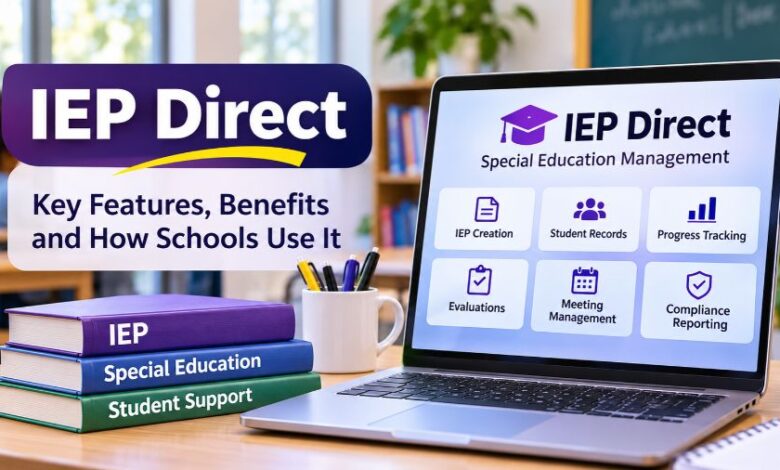
IEP Direct is a special education management software solution designed to help schools and educational districts create, manage, and monitor Individualized Education Programs (IEPs). Originally developed by Centris Group, the platform became part of Frontline Education following its acquisition in 2016. It supports educators, administrators, and special education professionals by simplifying documentation, student evaluations, compliance monitoring, meeting coordination, and reporting. Although the original IEP Direct name has evolved into IEP & Special Education Management, the platform continues to serve an important role in helping schools organize special education services and manage the administrative responsibilities associated with supporting students with disabilities.
What Is IEP Direct?
IEP Direct is a web-based educational administration platform built to manage the processes involved in special education programs. Its primary purpose is to help school districts prepare Individualized Education Programs, maintain student records, coordinate evaluations, and manage the documentation required to provide appropriate educational support. An Individualized Education Program is a formal document outlining the educational needs, learning goals, accommodations, and specialized services designed for an eligible student with a disability under United States special education law.
The platform was originally created by Centris Group, an education technology company specializing in state-specific special education software. Rather than providing a generic documentation system, its original approach focused on adapting software functionality to individual state requirements. This allowed school districts to manage their special education responsibilities through a centralized digital environment.
Today, IEP Direct is associated with Frontline Education’s special education management solutions. Its current product naming reflects the broader Frontline platform, although many educators and school administrators continue searching for the original IEP Direct name when looking for the software.
History and Background of IEP Direct
IEP Direct has its roots in Centris Group, an organization established in 1984 to develop technology solutions for educational professionals. The company concentrated on administrative systems that addressed the specific requirements of special education departments, including student documentation, evaluations, compliance, and reporting.
A major development occurred on April 6, 2016, when Frontline Technologies announced its acquisition of Centris Group. The acquisition expanded Frontline’s presence in the K-12 education software market and added established special education management products to its portfolio.
Following the acquisition, Centris products were gradually integrated and rebranded under Frontline’s special education offerings. The company explained that the product functionality would continue while integration with its wider education software ecosystem improved.
The original IEP Direct name was subsequently replaced by IEP & Special Education Management. This distinction is important for anyone researching the platform because older documentation, school district resources, and login references may still use the Centris or IEP Direct branding.
How Does IEP Direct Work?
IEP Direct provides an organized digital environment in which authorized school personnel can manage different stages of the special education process. Instead of relying entirely on separate documents, spreadsheets, and manually maintained records, educators can use centralized workflows to prepare and manage important student information.
Student Information and Case Management
Student information is an important part of every special education program. Schools need accurate records to understand individual learning requirements, maintain educational histories, and coordinate appropriate services. IEP management software helps authorized personnel organize this information and access relevant records when preparing or reviewing educational plans. Having organized student information can also reduce repeated administrative work and improve coordination between professionals responsible for supporting the same student.
Individualized Education Program Development
Creating an effective IEP requires educators to document a student’s current educational performance, learning needs, measurable goals, accommodations, and appropriate services. IEP Direct provides tools for preparing and managing these documents through structured workflows. Its purpose is to help school personnel organize required information and develop plans that reflect individual student circumstances rather than relying on generic educational templates.
Evaluations and Eligibility Management
Before a student receives special education services, an appropriate evaluation process may be required to determine eligibility and identify educational needs. IEP Direct supports administrative activities associated with evaluations and eligibility documentation. Organizing these records helps educational teams maintain a clearer understanding of assessment information and the decisions involved in developing an appropriate support plan.
Meetings and Scheduling
Special education planning often involves teachers, parents, administrators, specialists, and other relevant participants. Coordinating meetings and maintaining the associated documentation can become challenging when information is spread across different systems. IEP Direct includes meeting-related administrative capabilities that help school districts organize schedules, invitations, and records associated with the planning process.
Key Features of IEP Direct
IEP Direct was developed around the administrative and educational requirements of special education departments. Its capabilities cover several important areas, including document preparation, compliance tracking, reporting, and collaboration. The exact functionality available can depend on the state’s implementation and the services licensed by a school district.
Online IEP Creation and Documentation
One of the central capabilities of IEP Direct is online IEP drafting and document management. Educators can prepare, review, and update educational plans within a structured system. This approach helps organize information about student needs, goals, accommodations, and services while making the documentation process easier to manage. Digital records also provide an alternative to maintaining multiple disconnected paper documents.
State-Specific Compliance Management
Special education administration involves federal requirements as well as state-specific procedures and reporting obligations. IEP Direct was designed with state-specific customization as an important part of its original product strategy. Its administrative workflows help districts organize required information, monitor important timelines, and prepare documentation associated with applicable educational regulations.
Progress Monitoring and Reporting
Monitoring progress is essential to understanding whether an educational plan is supporting a student’s development. Special education professionals need meaningful information about student performance and progress toward established goals. The wider Frontline IEP management offering includes tools for monitoring student progress and generating reports that support educational administration and decision-making.
Collaboration and Information Sharing
Special education services frequently involve multiple professionals working together. Online document sharing and authorized access can make it easier for relevant staff members to coordinate their responsibilities. Frontline’s current IEP management offering includes real-time document sharing and role-based permissions, helping districts manage collaboration while controlling access to sensitive student records.
Reporting and Data Management
School districts regularly need reports for administrative reviews, state reporting, accountability, and internal planning. IEP Direct’s historical product documentation describes capabilities for producing state-specific and federal compliance reports, along with customized reporting options. These functions can help administrators organize information without manually combining records from multiple sources.
Benefits of Using IEP Direct in Schools
Managing special education programs involves more than creating educational plans. Schools must coordinate people, maintain documentation, monitor deadlines, and evaluate whether services are meeting student needs. A dedicated management platform can help organize these responsibilities within a consistent administrative environment.
Reduced Administrative Work
Teachers and special education coordinators often spend considerable time preparing documents, updating records, and managing administrative requirements. Centralized digital workflows can reduce repetitive tasks and make important information easier to locate. This can help educators devote more attention to educational planning and student support rather than spending unnecessary time organizing paperwork.
Improved Documentation Accuracy
Incomplete or inconsistent documentation can create problems during educational reviews and compliance checks. Structured forms and validation processes can help users identify missing information before documents are finalized. However, software cannot independently guarantee accurate records. Educational professionals remain responsible for reviewing information and ensuring that every plan correctly reflects the student’s needs.
Better Coordination Between Staff Members
When multiple professionals participate in a student’s educational program, maintaining consistent information becomes essential. A centralized system can help authorized users work with shared records and coordinate their responsibilities. This is particularly valuable for larger school districts where special education services may involve several departments and educational facilities.
More Organized Compliance Processes
Schools must pay attention to evaluation procedures, meeting schedules, documentation requirements, and other important deadlines. IEP Direct’s structured administrative capabilities can help districts organize these responsibilities. Better record management also makes it easier for administrators to review documentation and identify areas requiring additional attention.
Who Uses IEP Direct?
IEP Direct is primarily intended for educational organizations that manage special education programs. Its users generally include professionals who participate in preparing educational plans, maintaining student records, coordinating services, and overseeing compliance responsibilities.
Special Education Teachers
Special education teachers are among the primary users of IEP management systems. They participate in developing educational goals, documenting student performance, reviewing accommodations, and coordinating appropriate learning support. A centralized platform can help them organize these responsibilities and access relevant information when preparing or updating student plans.
School Administrators
School administrators and special education directors oversee program operations, staff responsibilities, reporting, and compliance requirements. They can use management software to review documentation, monitor administrative processes, and understand how special education services are being organized across their districts.
School Psychologists and Evaluation Professionals
School psychologists and other qualified evaluation professionals contribute assessment information that may influence educational planning and eligibility decisions. Organized documentation helps relevant team members review evaluation records and understand the information supporting a student’s educational program.
Special Education Coordinators
Special education coordinators help manage communication between teachers, administrators, parents, and service providers. They may also oversee meeting schedules, documentation deadlines, and the completion of required procedures. Management software can provide a centralized place for organizing these activities.
IEP Direct Login: How to Access the Platform
People searching for IEP Direct login should understand that the product is now associated with Frontline Education’s IEP & Special Education Management offering. The appropriate login route may depend on the school district, state implementation, and account configuration.
Authorized users should begin by visiting Frontline Education’s official website and locating the IEP and Special Education Management login option. They should use the account credentials provided by their school district or educational organization.
A user who cannot access an account should first confirm that the correct login portal is being used. Password problems, account permissions, expired credentials, and district-specific access arrangements can all affect sign-in. School personnel should contact their district administrator or the appropriate Frontline support channel rather than sharing account credentials with unofficial websites.
It is also important to distinguish official Frontline resources from independent websites that publish login instructions. A website discussing IEP Direct does not automatically represent the software provider or offer an authorized login service.
IEP Direct and Frontline Education: Understanding the Relationship
Frontline Education is the organization behind the current IEP & Special Education Management product offering associated with IEP Direct. The relationship began with Frontline’s acquisition of Centris Group in 2016, which brought Centris’ established special education software into Frontline’s education technology portfolio.
The rebranding reflects a broader product identity rather than a completely unrelated software system. Frontline’s current special education management solutions cover areas such as IEP administration, state reporting, Medicaid claims, Section 504 plans, and other educational support programs.
This wider product ecosystem is intended to help educational organizations coordinate different administrative responsibilities. However, not every district necessarily subscribes to every available module, and specific features depend on its implementation and licensing arrangements.
Challenges and Limitations of IEP Direct
Although specialized IEP management software can simplify educational administration, it also introduces responsibilities that schools must manage carefully. Technology supports the special education process, but it does not replace professional judgment, communication, or appropriate educational decision-making.
Staff Training and Technical Knowledge
Employees need to understand how to use the software correctly. New staff members may require training before they can confidently prepare documents, update records, or complete administrative workflows. Without adequate training, users may make mistakes or struggle to locate important functionality.
Data Privacy and Confidentiality
Special education records contain sensitive information about students, their educational needs, and their evaluations. Schools must restrict access to authorized personnel and follow applicable privacy requirements, including the Family Educational Rights and Privacy Act (FERPA) where relevant. Districts should review vendor security documentation, access controls, contractual terms, and data-handling practices rather than assuming that using a software platform automatically guarantees compliance.
Dependence on Accurate Information
An IEP management platform can organize information, but the quality of its records depends on the information entered by users. Incorrect assessments, outdated student details, or incomplete documentation can negatively affect educational planning. Regular reviews and appropriate oversight remain essential.
Implementation and Integration Requirements
Introducing a management platform into an established school district may require planning, staff training, and coordination with existing student information systems. Districts should assess integration requirements and available support before making implementation decisions. The exact technical arrangements can differ between educational organizations.
The Future of IEP Management Software
The demand for organized special education administration continues to make digital management systems important to educational organizations. Modern platforms are increasingly focused on reducing administrative complexity, improving access to information, and supporting collaboration between different educational professionals.
Frontline Education’s broader product strategy reflects this direction through its connected special education and student management offerings. Better reporting, improved system integration, and structured workflows can help districts make more informed administrative decisions. Artificial intelligence and advanced analytics may also influence future education software, although their specific availability and implementation should be evaluated through official product announcements rather than assumptions.
The most important consideration will remain the quality of educational support provided to students. Technology can make administrative processes more organized, but successful special education programs still depend on qualified professionals, meaningful collaboration, accurate assessments, and individualized educational planning.
Conclusion
IEP Direct has developed from a Centris Group special education software solution into part of Frontline Education’s broader IEP and Special Education Management offering. Its central purpose is to help school districts organize Individualized Education Programs, manage evaluations, coordinate meetings, maintain documentation, and support compliance-related responsibilities. Its state-specific approach and administrative capabilities make it relevant to educational organizations managing complex special education processes. Although the original product name remains widely recognized, understanding its current Frontline identity is essential when researching its features, ownership, and login options. Ultimately, its value lies in helping educators organize administrative work so they can focus more effectively on supporting students with individual learning needs.
Also read: OpenGuessr: Complete Guide to Features, Gameplay, Free Access and GeoGuessr Alternatives
FAQs
1. What does IEP Direct stand for?
IEP Direct refers to Individualized Education Program management software, designed to help schools organize special education documentation, planning, reporting, and administrative responsibilities.
2. Is IEP Direct still available?
IEP Direct has been rebranded as IEP & Special Education Management within Frontline Education’s Special Ed & Interventions product portfolio.
3. Who owns IEP Direct?
Frontline Education owns the product offering associated with IEP Direct following its 2016 acquisition of Centris Group, its original developer.
4. What is IEP Direct used for?
Schools use IEP Direct to manage educational plans, student evaluations, meeting schedules, compliance documentation, reporting, and special education administrative processes.
5. Can parents access IEP Direct?
Parent access depends on individual school district arrangements. Parents should contact their child’s school to learn how educational records are shared.
6. How do I access IEP Direct login?
Authorized users should visit Frontline Education’s official website, locate the IEP management login option, and use their district-provided account credentials.